
African Union Commission urges Ethiopia, Eritrea and Egypt to exercise maximum restraint and return to diplomacy
The statement follows Ethiopia's closure of its embassy in Asmara and the expulsion of ten Eritrean diplomats, and Eritrea's severing of diplomatic ties.
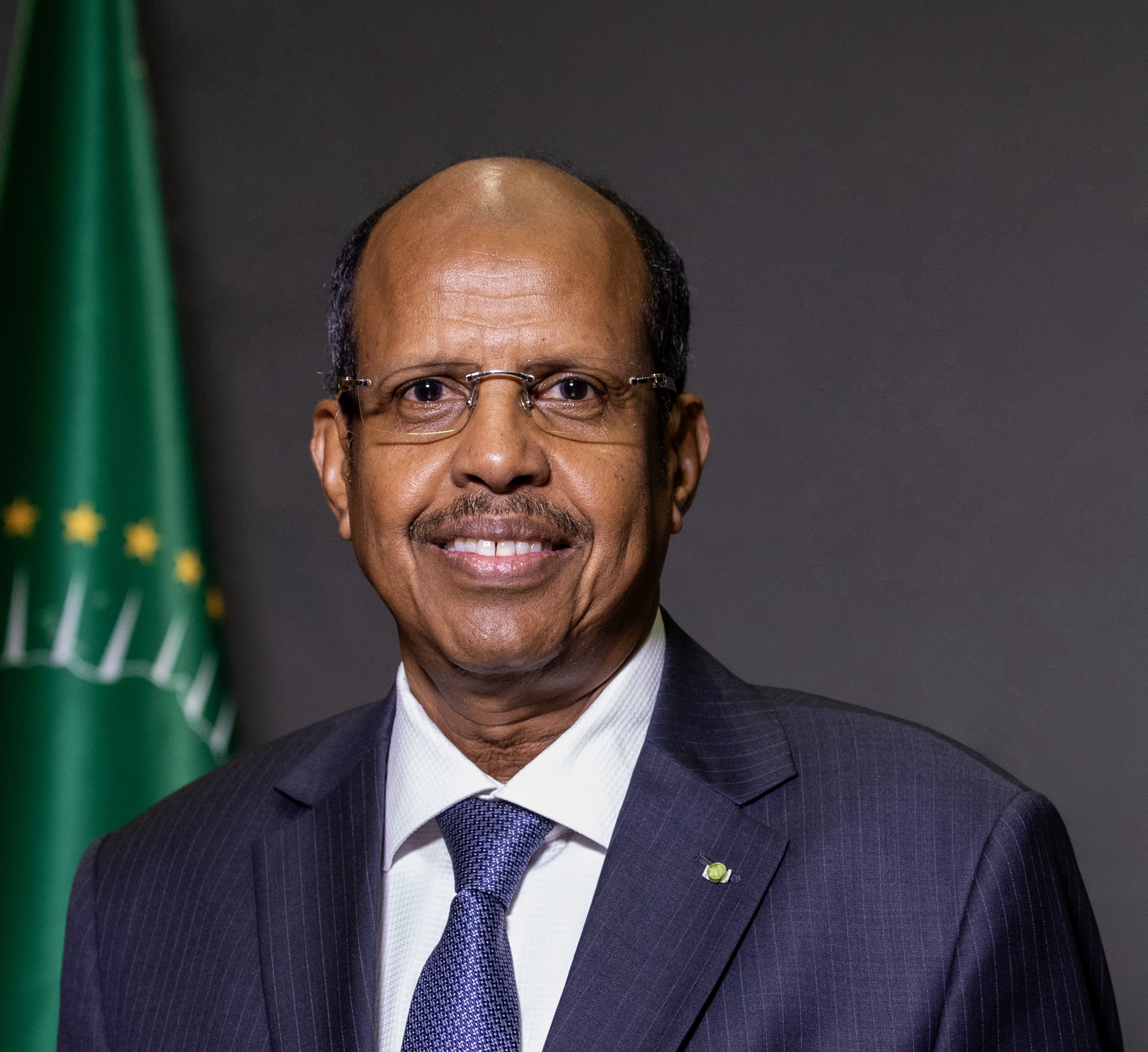
Eastleigh Voice reported that the African Union Commission has clarified its 1 October call for restraint, saying it was "simply a call for de-escalation following the expulsion of diplomats from the three capitals" and "was not meant to assign responsibility for the developments underway to any neighbouring State". The Commission reaffirmed its commitment to respect for the sovereignty, national unity and territorial integrity of states. The report said Egypt had objected that the original wording was too even-handed.
The European Union, in a statement issued by its High Representative on behalf of the bloc, said the escalating violence in Ethiopia and the tensions between Ethiopia and Eritrea risk "triggering a broader regional conflict, with severe consequences for peace and stability across the Horn of Africa". It called for immediate de-escalation on all fronts, urged all parties to refrain from interference and from actions or rhetoric that could heighten tensions, and said they should recommit to the Permanent Cessation of Hostilities Agreement under African Union oversight. It added that civilians must be protected at all times and unhindered humanitarian access ensured. Eastleigh Voice and Addis Standard reported the statement on Tuesday.
Amnesty International said on 3 October that the African Union must convene an emergency session on Ethiopia. Its regional director for East and Southern Africa, Tigere Chagutah, called on the AU to formally place Ethiopia on the Peace and Security Council agenda and activate its conflict response mechanisms, and demanded immediate, unimpeded access for journalists, human rights monitors and aid agencies and an end to the communications blackout in the affected regions. Amnesty said the fighting that began on 21 September spans southern Tigray, northern Amhara and western Afar, with aerial bombardment of Mekelle and Axum.
The African Union Commission said its 1 October statement on the tensions between Ethiopia, Eritrea and Egypt was under no circumstances intended to assign responsibility for current developments to any neighbouring state, Anadolu Agency reported on Sunday. The clarification followed Cairo's objection to being named alongside Ethiopia and Eritrea.
Egypt's Foreign Minister Badr Abdelatty said at the Alamein Africa Forum that Egypt has "absolutely nothing to do with what is happening inside Ethiopia", and described Ethiopian statements blaming outside parties as an attempt to divert attention from internal crises. Egypt Today reported the remarks, made to Extra News on Saturday.
Amnesty International called on the African Union Peace and Security Council on Friday to convene an emergency session on Ethiopia and to place the conflict formally on its agenda, saying the fighting that resumed on 21 September has spread across Tigray, Amhara and Afar. Tigere Chagutah, its regional director for East and Southern Africa, cited reports of forced conscription, air strikes and artillery shelling on Mekelle and Axum, communications blackouts in the three regions, and the seizure of at least 10 humanitarian vehicles, of which only two were recovered. It said the parties involved include Tigrayan forces, Amhara Fano fighters and the Ethiopian National Defence Force and its allies.
An Egyptian official source rejected the African Union Commission statement that named Egypt alongside Ethiopia and Eritrea, calling it an "incomprehensible attempt to drag Egypt into a purely internal Ethiopian issue". The source told the Al-Qahera News channel that Egypt's foreign policy rests on respect for state sovereignty and non-interference in internal affairs, and that the crisis in Ethiopia is entirely internal and has no connection to Egypt. The source also described Ethiopia's decision to expel an Egyptian diplomat as unfortunate and unjustified.
Amnesty International called on 2 October for the African Union's Peace and Security Council to convene an emergency session on Ethiopia. Tigere Chagutah, the organisation's regional director for East and Southern Africa, said the council "cannot wait for mass atrocities to unfold or for a surge in civilian casualties" before placing Ethiopia on its agenda. Amnesty also asked that communication services be restored and that journalists, aid organisations and human rights monitors be given access to the conflict areas.
The African Union Commission said it is following the heightened tensions between Ethiopia, Eritrea and Egypt with concern, and called on the three states to exercise maximum restraint and to settle their differences through diplomatic channels.
The African Union Commission said in a statement on 1 October that it is following with concern the heightened tensions between Ethiopia, Eritrea and Egypt.
It called on the three member states to exercise maximum restraint and to refrain from actions or statements that could further escalate tensions and undermine regional peace and stability.
The Commission said it was important to preserve channels of communication, and urged the three countries to address their differences through established diplomatic channels and peaceful dialogue.
It added that it stands ready, in consultation with the countries concerned, to support efforts towards de-escalation, dialogue and the peaceful resolution of differences.