
Japan urges compliance with the Pretoria Agreement; Britain condemns the Tigray forces' attacks
Both governments called for an immediate end to the hostilities and a return to African Union-led dialogue.
The United States Embassy in Addis Ababa published a statement by Ambassador Ervin J. Massinga on 23 September saying he was disappointed that the leadership of the TPLF, which the United States sanctioned earlier this year, had decided to launch a large-scale offensive. He said rejecting the African Union-sponsored dialogue under President Obasanjo and engaging in "an unwinnable fight does nothing for the people", that other armed groups would be wise to avoid it, and that while the United States has tools to sanction additional leaders, he still believed a reasonable political dialogue was the right way to go.
The United Nations and the African Union said in the joint communiqué of their 27th consultative meeting, held in New York on 26 September, that they are concerned by the heightened tensions in northern Ethiopia. They reiterated their steadfast support for the renewed efforts of the African Union High Representative for the Horn of Africa, former President Olusegun Obasanjo, to resume direct talks between the parties and the implementation of the Permanent Cessation of Hostilities Agreement.
Six US senators — Jeanne Shaheen, Cory Booker, Chris Coons, Jeff Merkley, Chris Van Hollen and Tim Kaine — called on Secretary of State Marco Rubio on 28 September to engage Ethiopian and Tigrayan leaders to stop the renewed conflict and return to mediation immediately. They said the stakes were too high to risk another conflict in an already volatile Horn of Africa; the statement did not mention Eritrea.
The United Arab Emirates said on 25 September that it stood in full solidarity with the government and people of Ethiopia and rejected any attempt to change Ethiopia's constitutional order by force or armed action. Minister of State Sheikh Shakhboot bin Nahyan Al Nahyan called for an immediate cessation of hostilities, the protection of civilians and the avoidance of any escalation that could threaten security in the Horn of Africa, Sharjah24 reported.
Qatar's Ministry of Foreign Affairs said on 27 September that it condemned the military escalation against Ethiopia's federal forces, calling it a serious threat to Ethiopia's unity and sovereignty and to regional stability. It called for an immediate cessation of the escalation and hostilities, the protection of civilians, adherence to the Pretoria Agreement and the settlement of disputes through dialogue, The Peninsula and Qatar Tribune reported.
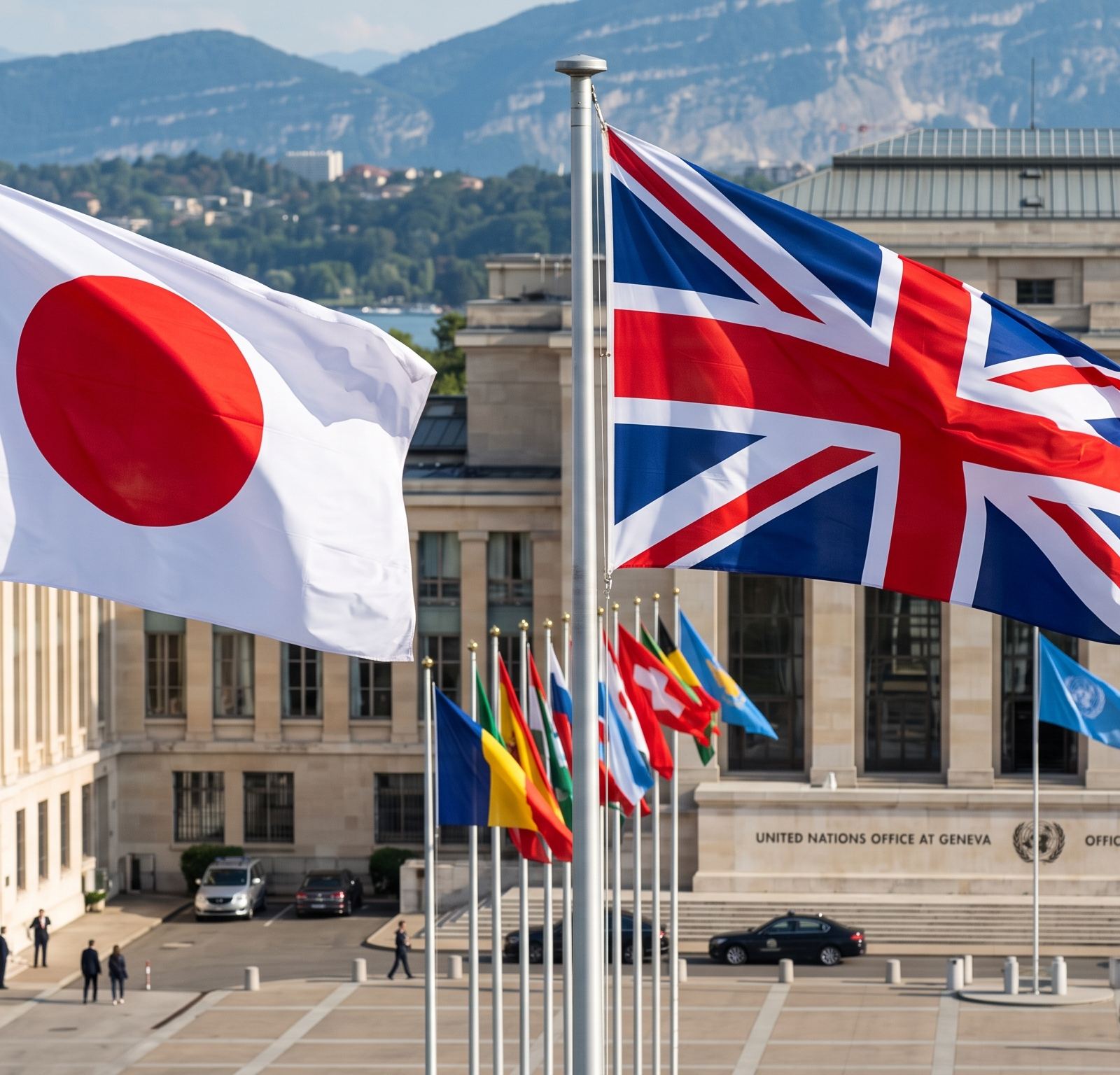
Japan's Ministry of Foreign Affairs said on 27 September that compliance with the 2022 Pretoria Agreement is essential and reaffirmed its support for African Union-led mediation, Arab News Japan reported. On 24 September Britain's Foreign, Commonwealth and Development Office condemned attacks by the Tigray Defence Forces in Afar and southern Tigray and rejected the Alliance for Survival coalition's stated aim of overthrowing Ethiopia's government.
Japan's Ministry of Foreign Affairs said on 27 September that it was concerned at the deteriorating situation in northern Ethiopia since 23 September, according to Arab News Japan. The ministry said compliance with the 2022 Pretoria Agreement was essential and reaffirmed Japan's support for the African Union-led mediation process, calling on all parties to refrain from escalatory actions and to ensure humanitarian access to affected populations.
On 24 September a spokesperson for Britain's Foreign, Commonwealth and Development Office said the United Kingdom condemned the attacks by the Tigray Defence Forces in Afar and southern Tigray and the takeover of Tigray's airports. The spokesperson said Britain rejects the Alliance for Survival coalition's stated aim of overthrowing Ethiopia's government, and called for an immediate end to hostilities and a return to dialogue under African Union-led mediation. The statement also called on all parties to allow safe and unhindered humanitarian access and to protect humanitarian workers.